How to buy, store, and cookfarm-fresh producein Chatham, Ontario
Guides and recipes from the warehouse.
Glance the cards. Open any one to read the full tip. Written for walk-in shoppers, home cooks, and wholesale kitchens at Warehouse Produce Depot.
Joe’s Tips
Vegetable recipes
Fruit recipes
Keep produce fresh longer. Start with where it sits.
Most food waste at home is not bad produce. It is produce left in the wrong place. At Warehouse Produce Depot in Chatham, we pack fruit and vegetables every morning for homes and kitchens. The same rules we use on the dock work in your fridge.
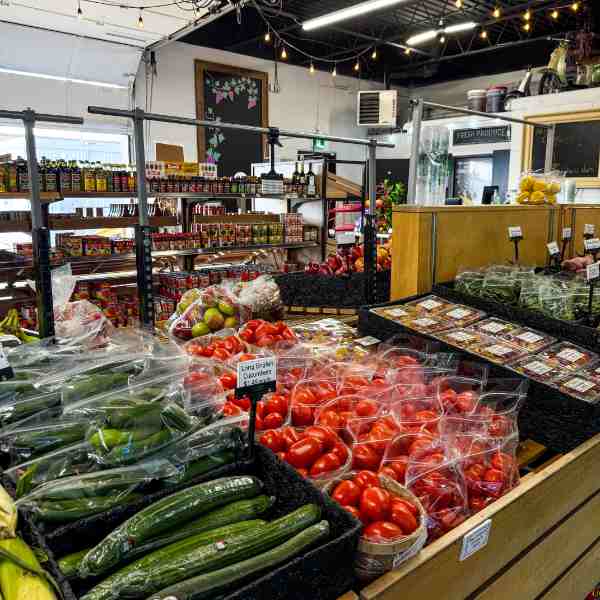
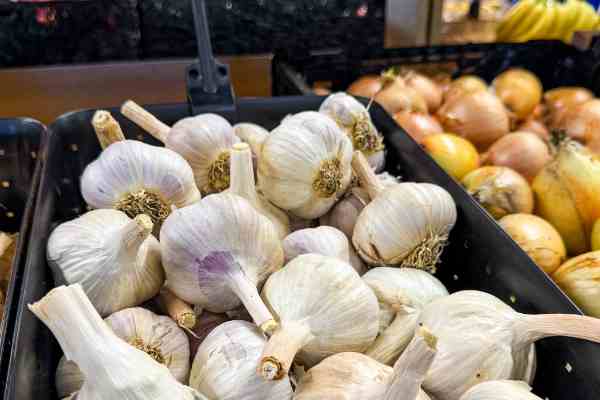
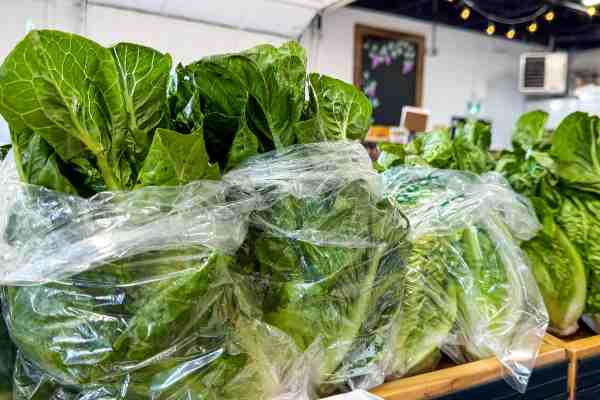
Keep tomatoes, onions, garlic, and potatoes at room temperature in a cool, dark spot with air moving around them. Leafy greens, berries, carrots, and broccoli last longer in the refrigerator, in a breathable bag so moisture does not sit on the leaves.
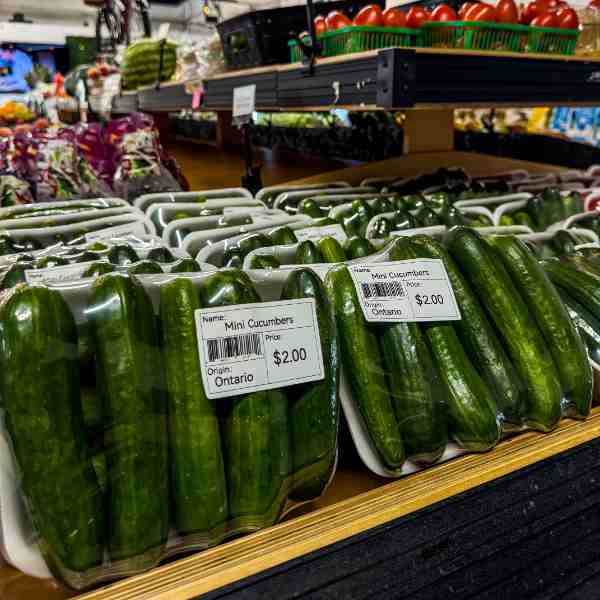
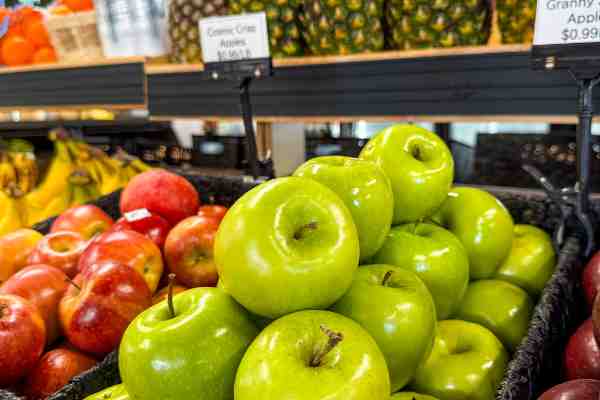
Keep ethylene producers — apples, bananas, avocados, and tomatoes — away from ethylene-sensitive vegetables like leafy greens, cucumbers, and peppers. That gas ripens neighbours fast. One bowl on the counter can wilt a whole crisper.
Walk in Monday to Saturday, 8am–5pm, and take home only what you will use this week. Then read so the next crate matches the calendar.
Joe’s Expert Tip
Never store potatoes and onions together. Onions give off a gas that makes potatoes sprout and spoil. Separate cool, dark spots and you can double the life of both.
Local produce tastes like it was picked yesterday.
Buying local is not a slogan on our dock. Fruit and vegetables harvested closer to peak ripeness taste sweeter, hold more juice, and keep more of the nutrients that fade on a long truck ride.
Shorter miles also mean the money stays in Chatham-Kent — with growers, family warehouses, and the kitchens we fill. When you shop Warehouse Produce Depot, you are buying through Bills Fruit Market Inc, a family wholesale house that still opens the door to the public.
Homes, restaurants, hotels, and grocery buyers get the same morning produce. Walk in for a bag. Call for a case. Either way, it did not sit in a distant warehouse for a week first.
Joe’s Expert Tip
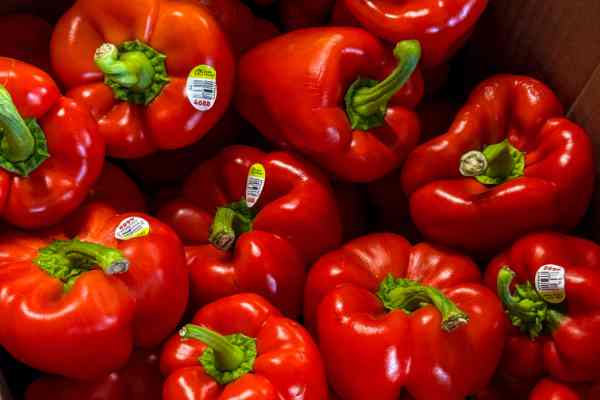
Grocery-store corn and peppers are often picked early so they survive the trip. Local is usually picked closer to ripe. Follow the harvest. If you want the sweetest corn or the crispest pepper, buy it when Chatham is actually growing it.
Pick produce like a warehouse buyer in ten seconds.
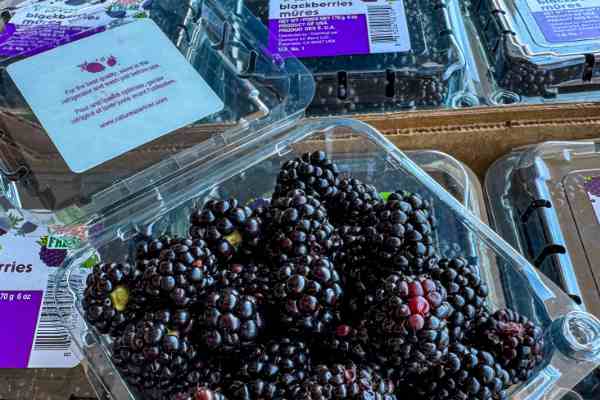
We look at colour, feel, and smell before a crate is worth the shelf. You can do the same in the aisle. Bright colour. Firm flesh. A clean, natural smell. An apple should feel heavy for its size. Greens should look crisp, not tired. Berries should be dry, plump, and free of bruises.
Leave anything with soft spots, mold, a sour smell, or wet packaging. Melons and citrus should give a little — firm, not rock-hard, not mushy.
That is how you get flavour and value from the same walk-in that restaurants use at 930 Richmond Street, Suite #5. If you want the next step after you get it home, open the storage tip.
Joe’s Expert Tip
The weight test does not lie. Citrus, melons, and stone fruit that feel heavy for their size are full of juice. Light fruit is already drying out.
Shop the Chatham season. Better flavour. Better price.
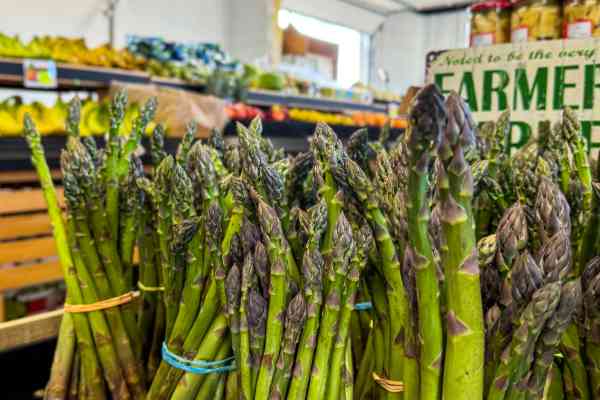
Seasonal produce is usually cheaper because it is abundant, and it tastes like itself. In Ontario that means asparagus, leafy greens, and radishes in spring. Berries, peaches, tomatoes, and corn in summer. Squash, apples, and roots in fall. Citrus, cabbage, and potatoes through winter.
Buying with the harvest also supports local growers when their fields are actually full. Use this as a meal plan, then walk into the warehouse and take what is on the table that week — inventory changes with the trucks.
When berries or corn hit their peak, buy more than dinner. Freeze them. That is how you eat well in a Chatham January without paying July prices in December.
Joe’s Expert Tip
Think ahead. Peak berries go in the freezer for the blender. Corn can be blanched and frozen. That is the cheapest way to eat like it is still August.
A greenhouse in 1955. The same standard on our dock today.
Our grandfather arrived from Italy in 1955 and built his first greenhouse. Quality, freshness, and honest food were the job then. They are still the job at Bills Fruit Market Inc and Warehouse Produce Depot.
More than 32 years of hands-on farming sits behind the wholesale house you walk into now. We fill homes, restaurants, and businesses across Chatham-Kent — and yes, we are open to the public. Come in Monday to Saturday, 8am–5pm.
The longer story lives on our About page. This tip is the part that shows up in your bag: we still look at the fruit before you do.
Joe’s Expert Tip
Grandfather said you cannot rush quality. We still hand-check shipments on the dock before they hit the shelf. If it is not good enough for our family table, it is not going on yours.
Wholesale that keeps a Chatham kitchen consistent.
Restaurants, grocery stores, hotels, and meal-prep shops do not need a surprise on Tuesday. They need the same fruit and vegetables, at a wholesale rate, with enough volume to get through the week.
Warehouse Produce Depot buys and packs for that. Flexible orders. Free delivery within 20km of Chatham. Pickup at 930 Richmond Street, Suite #5 if you would rather send a truck. Walk-in retail is welcome too — the public shops the same warehouse.
Call (519) 996-6006 or send the order form. Tell us what the line needs. We will tell you what landed this morning.
Joe’s Expert Tip
A menu falls apart when the cut changes every day. For wholesale accounts we pull the most even, plate-ready pieces first so your plates look the same on Friday as they did on Monday.
Serves 4. About 40 minutes. Grab potatoes, carrots, yellow onion, a sweet pepper, and a head of garlic from the warehouse.
Heat the oven to 425°F. Cut potatoes and carrots into chunks. Slice the onion and pepper.
Toss everything with oil, salt, pepper, and smashed garlic on one tray. Do not crowd the pan.
Roast 30–35 minutes, turning once, until the edges brown and the centres give.
This is a weeknight plate from storage staples — the same roots that sit well in a cool room if you followed the storage tip. Pair it with a roast or eat it as the whole dinner.
Joe’s Expert Tip
Dry the cut potatoes before they hit the oil. Wet roots steam. Dry roots brown. That is the difference between a tray of mush and a tray people finish.
Serves 3–4. Ten minutes. Use kale, spinach, or broccoli — whatever is crisp on the table that morning.
Warm a wide pan with oil. Add sliced garlic until it just smells sweet. Do not burn it.
Add washed greens or small broccoli florets. A pinch of salt. Toss until they turn bright and tender.
Finish with lemon or a splash of the pan juices. Serve beside eggs, pasta, or the chopped salad.
Greens wilt in a sealed bag. Keep them cold and breathing, then cook them the night you buy them. That is how warehouse greens still taste like the field.
Joe’s Expert Tip
If the greens still have water on them, that water is your steam. Leave the lid off at the end so they stay green, not grey.
Serves 4. Fifteen minutes. Cucumber, ripe tomato, sweet pepper, red onion, and a handful of herbs if we have them.
Dice everything the same size so each forkful has crunch and juice.
Salt the tomato and cucumber first. Wait two minutes. Pour off the extra water.
Dress with oil, vinegar or lemon, black pepper. Eat the same day.
This is a walk-in lunch. Use the choose-fresh tip on the tomatoes and cucumbers, and keep them away from the apple bowl so they do not go soft overnight.
Joe’s Expert Tip
A tomato that smells like a tomato is ready. A pretty tomato with no smell was picked for the truck, not for the salad.
Serves 2. Five minutes. Buy strawberries, blueberries, or mixed berries when they are cheap and ripe — then freeze them in a single layer before they bag up.
2 cups frozen berries, 1 banana or a splash of juice, a little yogurt or milk.
Blend until smooth. If it is thick, add a splash more liquid. Do not thaw the berries first.
This is the seasonal tip in a glass. Peak summer fruit, paid at peak prices, drunk in January. Keep fresh berries dry in the fridge until you freeze them. Wet berries mold overnight.
Joe’s Expert Tip
Freeze berries on a tray first so they do not clump into one brick. Then pour them into a bag. You can take a handful at a time.
Serves 4. Ten minutes. Use firm Ontario apples — the heavy ones from the choose-fresh tip.
Peel if you want. Slice. Melt a knob of butter in a pan.
Add apples, a spoon of sugar or honey, cinnamon, and a pinch of salt.
Cook until the edges go soft and the juice looks like a thin syrup. Serve over yogurt or on their own.
Apples store well in the cold, away from leafy greens. Buy a bag in the fall when the price drops, then cook a pan whenever the week needs something warm.
Joe’s Expert Tip
A mix of sweet and tart apples beats one variety. The tart ones hold their shape. The sweet ones make the sauce.
Serves 2–3. Ten minutes. Oranges or grapefruit, a ripe melon, and a few berries if we have them.
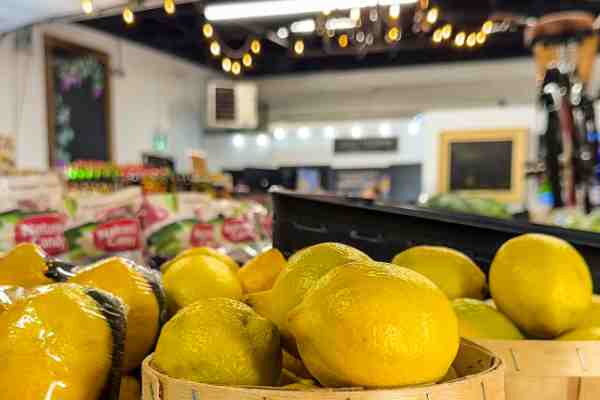
Pick citrus that feels heavy. Pick melon that smells sweet at the stem and gives a little.
Cut the citrus into rounds or supremes. Cube the melon. Toss. A pinch of salt makes the juice louder.
Winter citrus is the warehouse’s cold-month fruit. Melon comes when it is actually good. Together they are breakfast that does not come from a box. Store cut melon in the fridge and eat it within a day.
Joe’s Expert Tip
If the melon has no smell, it has no flavour. Put it back. The next one on the pile might be the one.